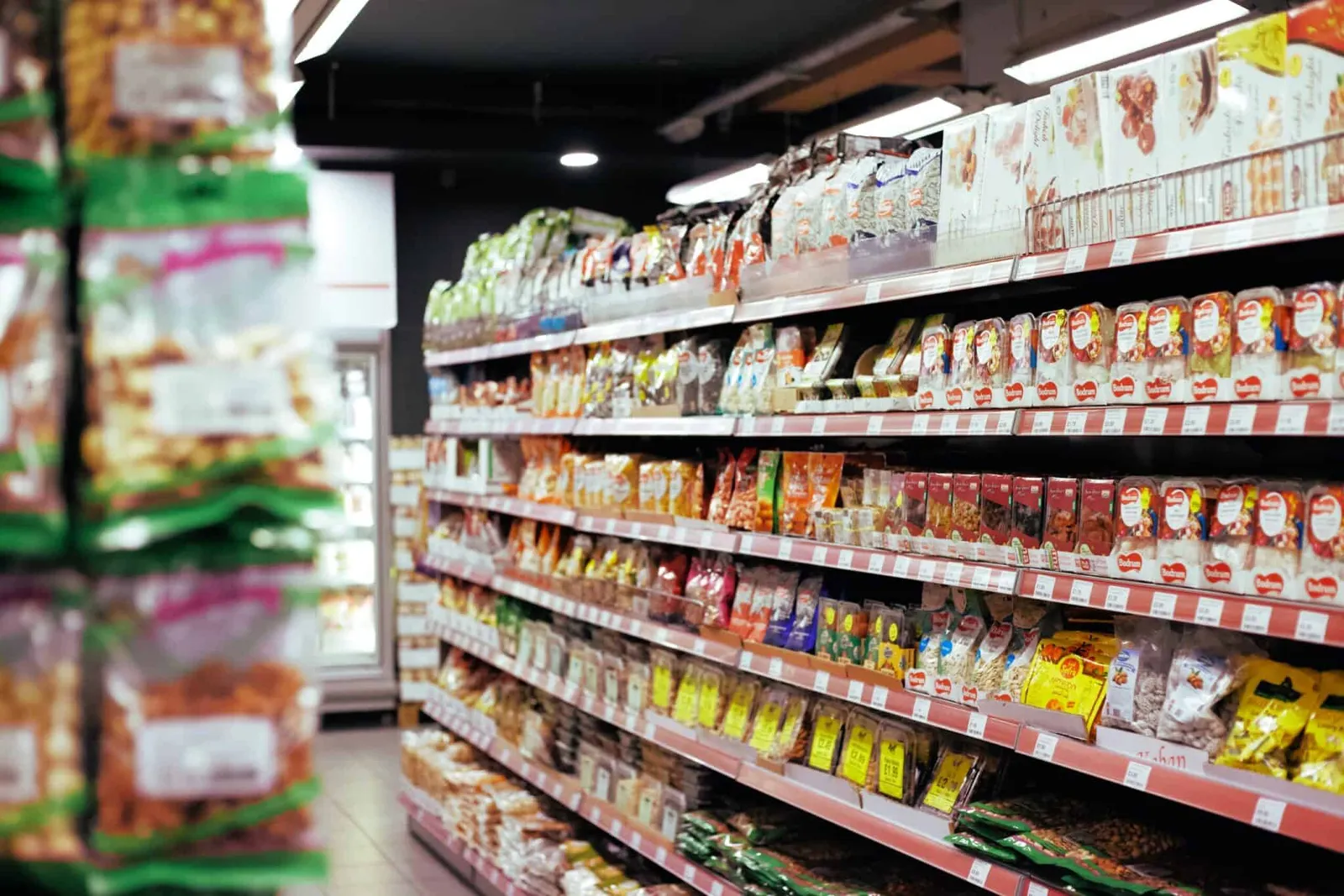
A family of four in Canada now spends over $16,000 a year on food, according to Canada’s Food Price Report. That’s more than $1,300 a month. But groceries are also the most flexible big line in your budget. Rent is rent, but what ends up in your cart is up to you.
So you don’t need to live on instant noodles. You need a handful of habits that stop you from overpaying, and most households can cut 20% or more from the bill with the tips below. On a $1,300 monthly bill, 20% is $260 a month, over $3,100 a year.
How often should you grocery shop?
Once a week works best for most households. Here’s why: every trip to the store is another chance for an impulse buy. The fewer times you walk past the chip aisle, the less you spend.
- Singles and couples: Every one to two weeks, especially if you batch cook.
- Families: Weekly, with one small top-up trip for milk and produce if you need it.
- Frequent cooks: Weekly, planned around the flyer.
The trap is the “quick trip.” You go in for milk and come out with $40 of stuff. If you need a top-up, bring a list with three items on it and a basket, not a cart.
Plan before you shop
1. Plan meals around the weekly flyer
Deciding what to cook after you walk into the store is the number one driver of overspending and food waste. Flip it around. Open Flipp before you shop, see what’s on sale this week, and plan four or five dinners around those items. Account for leftover lunches, write the list, and buy only what’s on it.
Grocery stores run sales on pantry staples, paper products and proteins in cycles of about 6 to 12 weeks. When something you use a lot hits a low price, buy enough to last until the next sale.
2. Shop by unit price, not sticker price
Canadian stores display the unit price on the shelf tag (price per 100 g, per 100 mL, or per item). Look at that number, not the big one. The family-size box is not always cheaper per gram than two small boxes on sale.
Unit prices also protect you from shrinkflation. When a bag of chips drops from 235 g to 200 g at the same price, the unit price gives it away.
3. Set a real grocery budget
Know your number before you shop. Put your household’s groceries into our Monthly Budget Calculator and see what fits. If you’re in the GTA, our Mississauga grocery budget guide has local benchmarks by household size.
Pay less at the store
4. Switch to store brands
This is the fastest way to save without changing what you eat. Store brands usually cost 25% to 40% less, and for basics like flour, sugar, canned tomatoes, oats and frozen vegetables, I honestly can’t tell the difference.
| Grocery group | Value brand | Standard or premium brand |
|---|---|---|
| Loblaw (No Frills, Superstore, Loblaws) | No Name | President’s Choice, PC Black Label |
| Empire (Sobeys, FreshCo, Safeway) | Compliments Value | Compliments, Panache |
| Metro (Metro, Food Basics) | Selection | Irresistibles |
| Walmart | Great Value | Our Finest |
| Costco | Kirkland Signature |
5. Use price matching where it’s offered
Instead of driving to four different stores, take your flyers to one store that matches competitors’ prices. Show the current flyer on your phone at checkout. Policies change often and vary by location, so check before you go. See our full guide to which grocery stores price match in Canada.
6. Watch the store layout
Stores are designed to make you spend more. A few things to watch:
- Eye level costs more. Brands pay to sit at eye level. The cheaper options, including store brands, are on the top and bottom shelves.
- Front-page flyer deals are bait. Stores discount a few items heavily to get you in the door and make it back in the centre aisles. Buy the deals, skip the browsing.
- Pre-cut costs double. Pre-sliced pineapple or trimmed chicken can cost 100% to 250% more for about 90 seconds of knife work.
7. Buy frozen produce in winter
Between November and May, most fresh berries and greens in Canada are imported, so they cost more and go bad fast. Frozen fruit and vegetables are picked ripe, keep their nutrients, and often cost 40% to 60% less per kilogram. Frozen berries for oatmeal and frozen broccoli or spinach for stir-fries will never rot in your crisper drawer.
8. Buy in bulk, but only the right things
Costco can save you a lot, or it can become an expensive habit.
- Worth buying in bulk: Toilet paper, paper towels, canned tomatoes, olive oil, oats, rice, nuts, frozen chicken and fish.
- Usually not worth it: Giant clamshells of fresh produce, big dairy containers you won’t finish, bakery items that last three days, and snacks you wouldn’t normally buy.
A simple rule: if more than 10% of a bulk perishable ends up in the green bin, you lost the discount. Split big packs with a friend or family member.
Get money back
9. Stack loyalty points and cash back
- PC Optimum (Loblaw stores and Shoppers Drug Mart) and Scene+ (Sobeys, FreshCo, Safeway, IGA) load personalized offers into the app. Load them before you shop.
- A grocery credit card that pays 3% to 5% back can return $300 to $600 a year on normal household spending. Only do this if you pay the balance in full every month. Paying 20% interest to earn 4% back is a losing trade.
The golden rule with points: only buy bonus items that were already on your list. Earning 2,000 points ($2) on an $8 snack you didn’t plan to buy is still a $6 loss.
10. Use surplus food apps
- Flashfood sells meat, dairy, produce boxes and prepared meals close to their best-before date, often for around 50% off. You pay in the app and pick up at the store. Check which stores near you take part.
- Too Good To Go sells “surprise bags” of surplus food from bakeries, cafes and grocers for about a third of the normal price.
Waste less
11. Stretch your protein
Meat is usually the most expensive thing on the receipt. You don’t have to go vegetarian. Just mix cooked lentils or finely chopped mushrooms 50/50 into ground beef for tacos, chili or pasta sauce and the meat goes twice as far. Add two meatless dinners a week (chana masala, black bean chili, lentil dal) and a typical household saves $60 to $100 a month.
12. Batch cook and eat the fridge first
Cook once, eat three times. A big pot of chili or curry turns into ready-made lunches that stop you from ordering $20 takeout on a busy day. Freeze portions in labelled containers.
The average Canadian household throws out about 140 kg of edible food a year, worth over $1,300, according to the National Zero Waste Council. So before each weekly shop, have an “eat the fridge” dinner: an omelette, fried rice or stir-fry that uses up leftovers. When you unpack new groceries, move the older items to the front. And freeze bread, overripe bananas and cheese before they turn.
Put the savings somewhere
Here’s the thing: grocery savings disappear fast if you don’t move them. If you cut $200 a month off your food bill, set up an automatic $200 transfer to savings or toward a debt the same day. Otherwise it just turns into more takeout.
Sources and further reading
- Dalhousie University Agri-Food Analytics Lab: Canada’s Food Price Report 2026: the 2026 food price forecast and the annual food cost for a family of four.
- Love Food Hate Waste Canada (National Zero Waste Council): Food waste in the home: the 140 kg and $1,300 a year household food waste figures.
- Statistics Canada: Consumer Price Index Portal: current inflation and food price data.
More grocery guides
- Which Grocery Stores Price Match in Canada?
- How to Budget for Groceries in Mississauga
- Canada Groceries and Essentials Benefit
- 30 Ways to Save Money in Canada
- Which Grocery Stores Price Match in Canada?
- How to Budget for Groceries in Mississauga
- Holiday Budget for Canadians
Frequently asked questions
How much does the average Canadian spend on groceries per month?
Canada's Food Price Report puts a family of four at over $16,000 a year on food, which is roughly $1,350 to $1,450 a month. A single adult typically spends $350 to $450 a month, depending on province and diet.
How often should you grocery shop to save money?
Once a week for most households, with no more than one small top-up trip for milk and produce. Every extra trip is another chance for impulse buys. Singles and couples who cook in batches can often stretch it to every two weeks.
Which Canadian stores price match?
Policies change often and vary by location, so check before you rely on one. Walmart, Giant Tiger, FreshCo and some Loblaw-owned stores have offered price matching. Bring the competitor's current flyer on the Flipp app to the checkout.
Is a Costco membership worth it for groceries?
For households of two or more that go through staples like eggs, dairy, rice, oats and frozen protein, the per-unit savings usually cover the membership fee within a few months. It stops being worth it when bulk perishables end up in the green bin.