Saving Money in Canada
Ways Canadians can spend less without feeling deprived — grocery costs, utilities, subscriptions, insurance, and building an emergency fund that actually holds.
10 guides available
Saving money in Canada is most effective when you target the largest recurring leaks in a household budget: food costs, electricity and home heating, telecom bills, insurance premiums, and high-fee bank accounts. Lowering fixed monthly bills once continues to pay dividends every single month without requiring daily willpower.
If you want to benchmark your current savings pace against national data, start with How Much Should I Be Saving Each Month in Canada? and build your safety net using our Emergency Fund Canada Guide. For immediate bill reductions across telecom, banking, and household expenses, work through 30 Ways to Save Money in Canada That Actually Add Up and Navigating the Cost of Living Crisis.
Food and utilities represent two of the most controllable variable expenses for Canadian families. Read How to Save Money on Groceries in Canada, check current retailer rules in Which Grocery Stores Price Match in Canada, or explore our regional breakdown in How to Budget for Groceries in Mississauga & the GTA. Homeowners and renters can also cut utility and insurance costs with Navigating Ontario’s Electricity Rates (TOU, Tiered & ULO) and How Much to Budget for Car Insurance.
All Saving Money Guides (10)
 Save
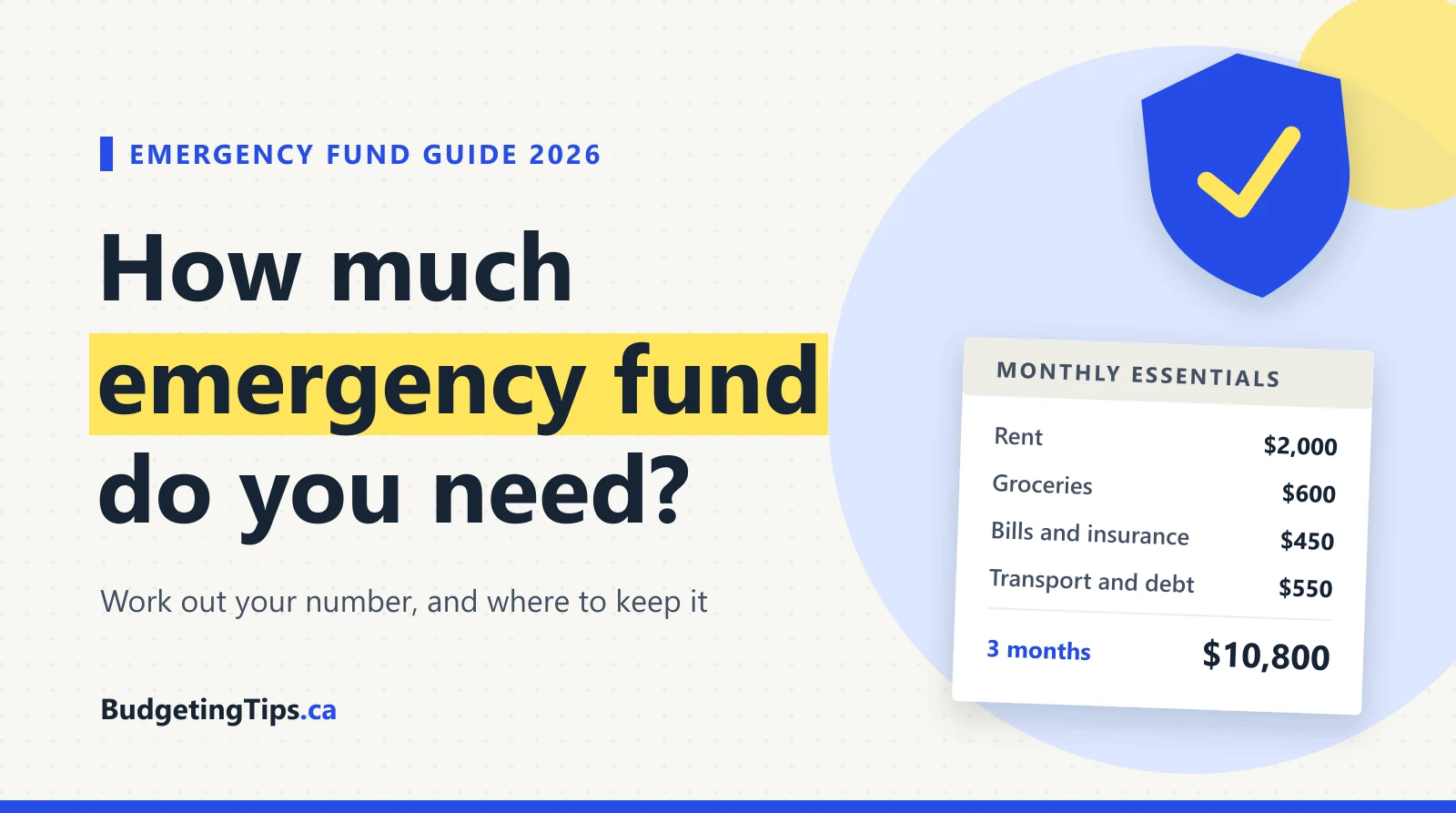
Emergency Fund in Canada: How Much You Need and Where to Keep It (2026)
Three to six months of expenses is the usual answer, but that number stops most people before they start. Here's how to work out your own number, build it in stages, and where to keep it.
Read guide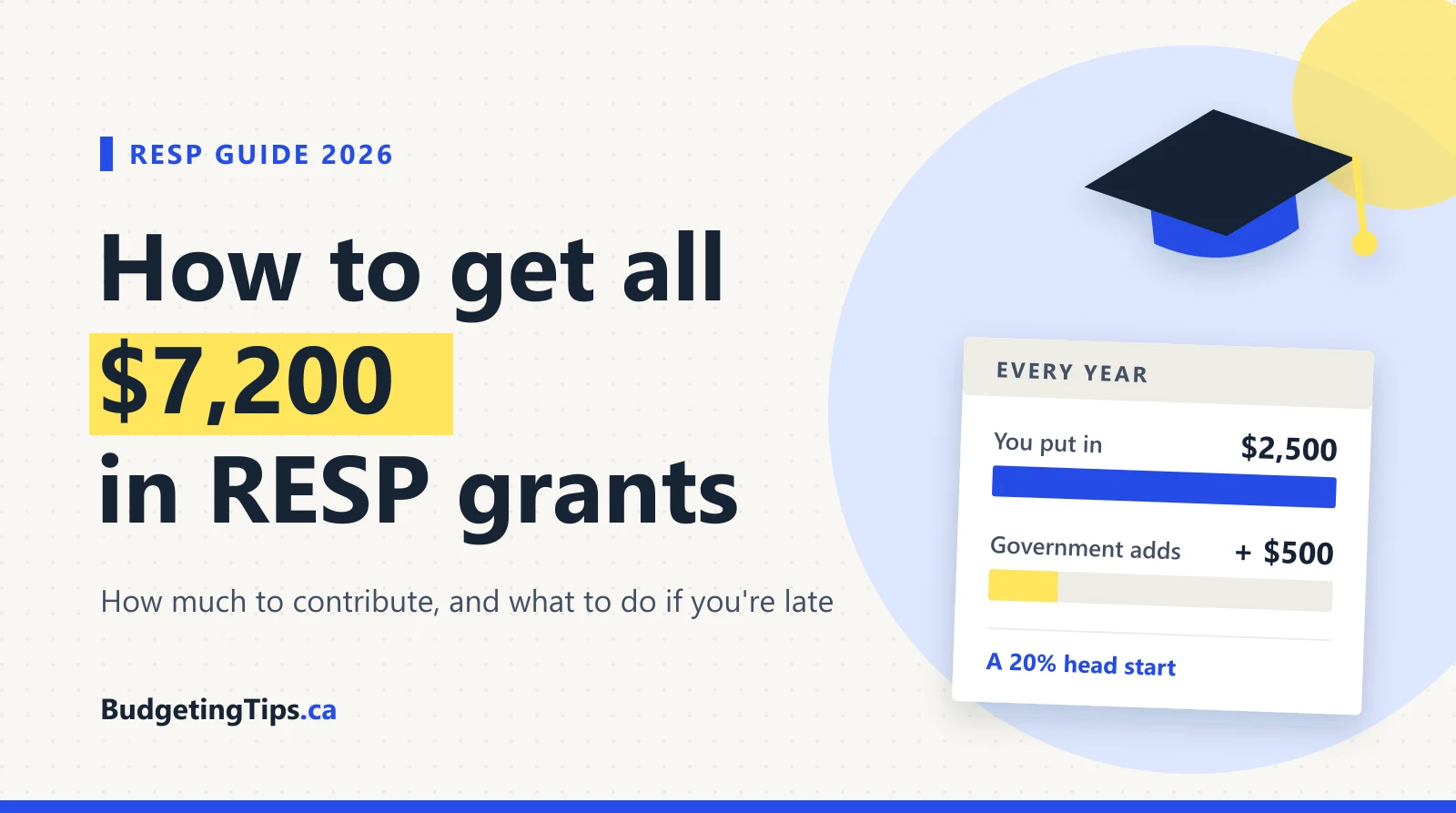 Save
RESP Guide for Canadian Parents: How to Get All $7,200 in Grants (2026)
Put $2,500 a year into an RESP and the government adds $500. Here's how the grants work, how much to contribute, what to do if you started late, and what happens if your child doesn't go to school.
Read guide Save
How Much Should I Be Saving Each Month in Canada? (2026 Guide)
There is no single right number. Here are the savings targets by income, age and life stage — with real Canadian figures — and the order to put your money in.
Read guide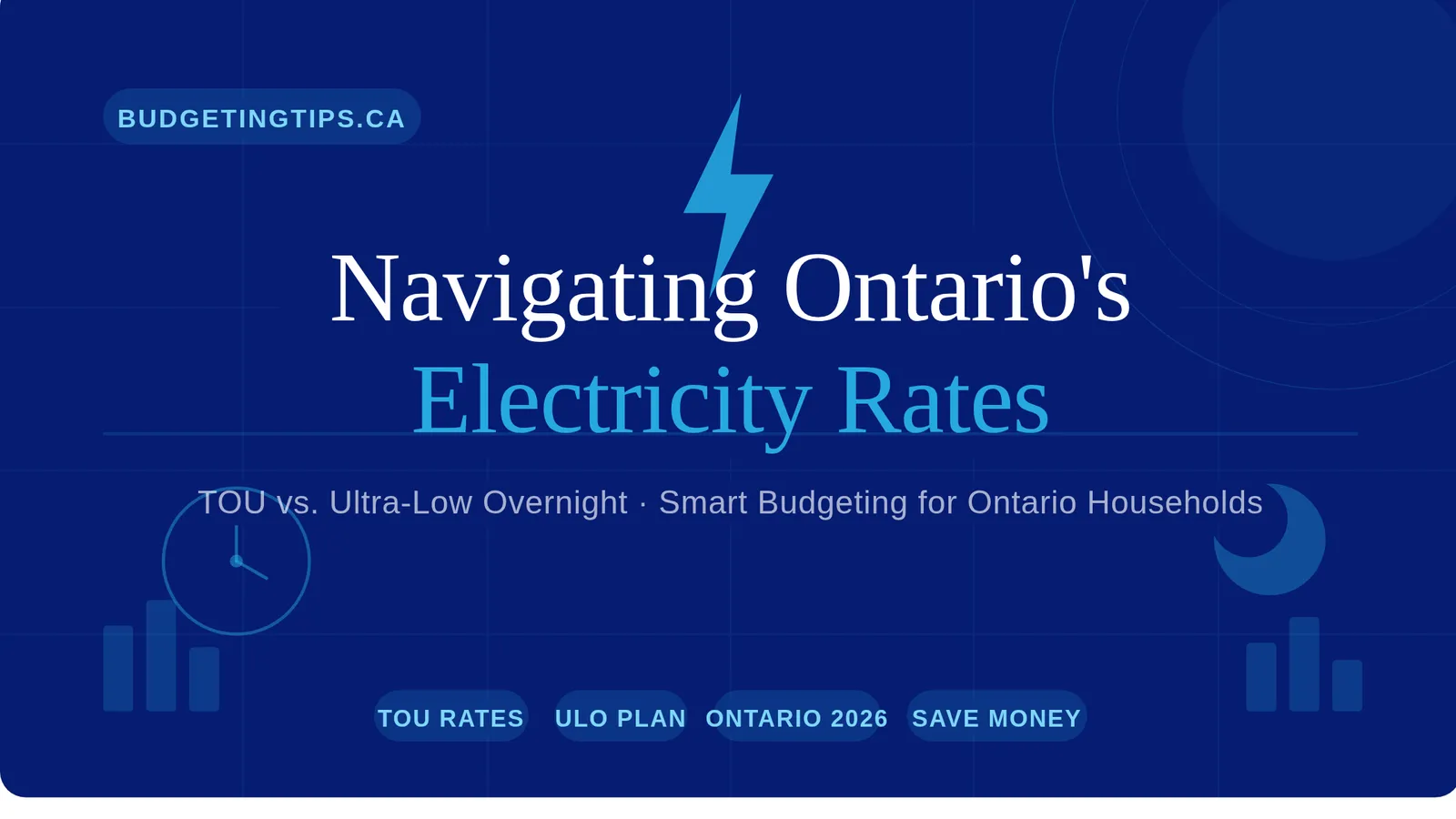 Save
Navigating Ontario’s Electricity Rates: TOU vs. Ultra-Low Overnight
A practical guide to understanding your rate plan - and how shifting household chores to cheaper hours can meaningfully lower your monthly hydro bill.
Read guide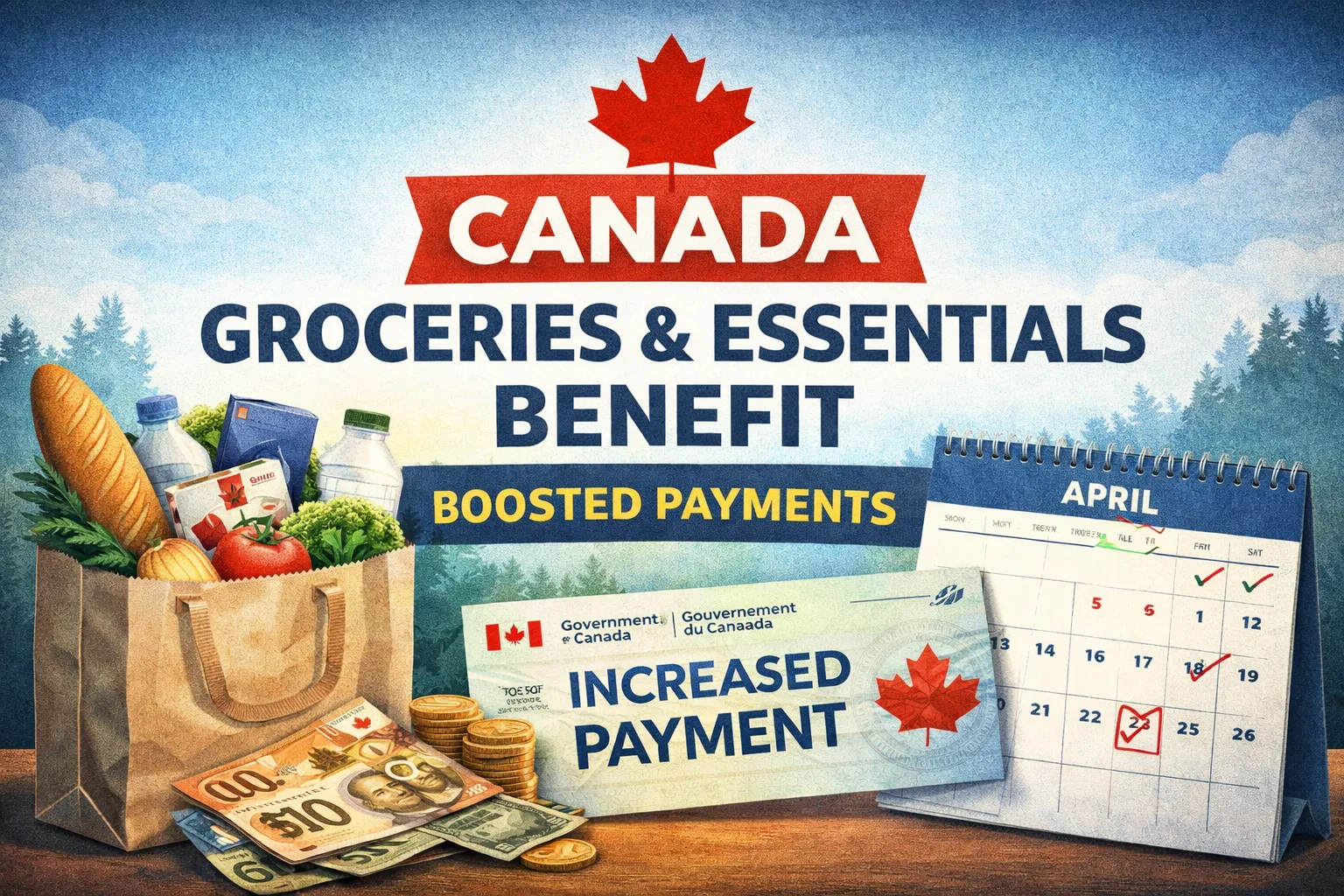 Tax
Canada Groceries & Essentials Benefit: Your Guide to the New, Boosted Payments
The GST Credit has been rebranded and significantly expanded. Here’s everything you need to know — who qualifies, when the money arrives, and how to make sure you don’t miss out.
Read guide Save
Smart Investing on a Budget in Canada: How to Start With $50 a Month
You do not need thousands of dollars to start investing in Canada. Learn how to use commission-free ETFs, robo-advisors, HISAs, and your TFSA to build wealth starting with $50 a month.
Read guide Save
Which Grocery Stores Price Match in Canada? (2026 Policy Guide)
Which Canadian grocery chains still price match in 2026, and which ones ended it? See the complete policy table for No Frills, FreshCo, Real Canadian Superstore, Giant Tiger, Walmart, and Food Basics.
Read guide Save
30 Ways to Save Money in Canada (That Actually Add Up)
Thirty practical ways Canadians can save money, grouped by where the money actually leaks: bills, groceries, debt, shopping and your savings system.
Read guide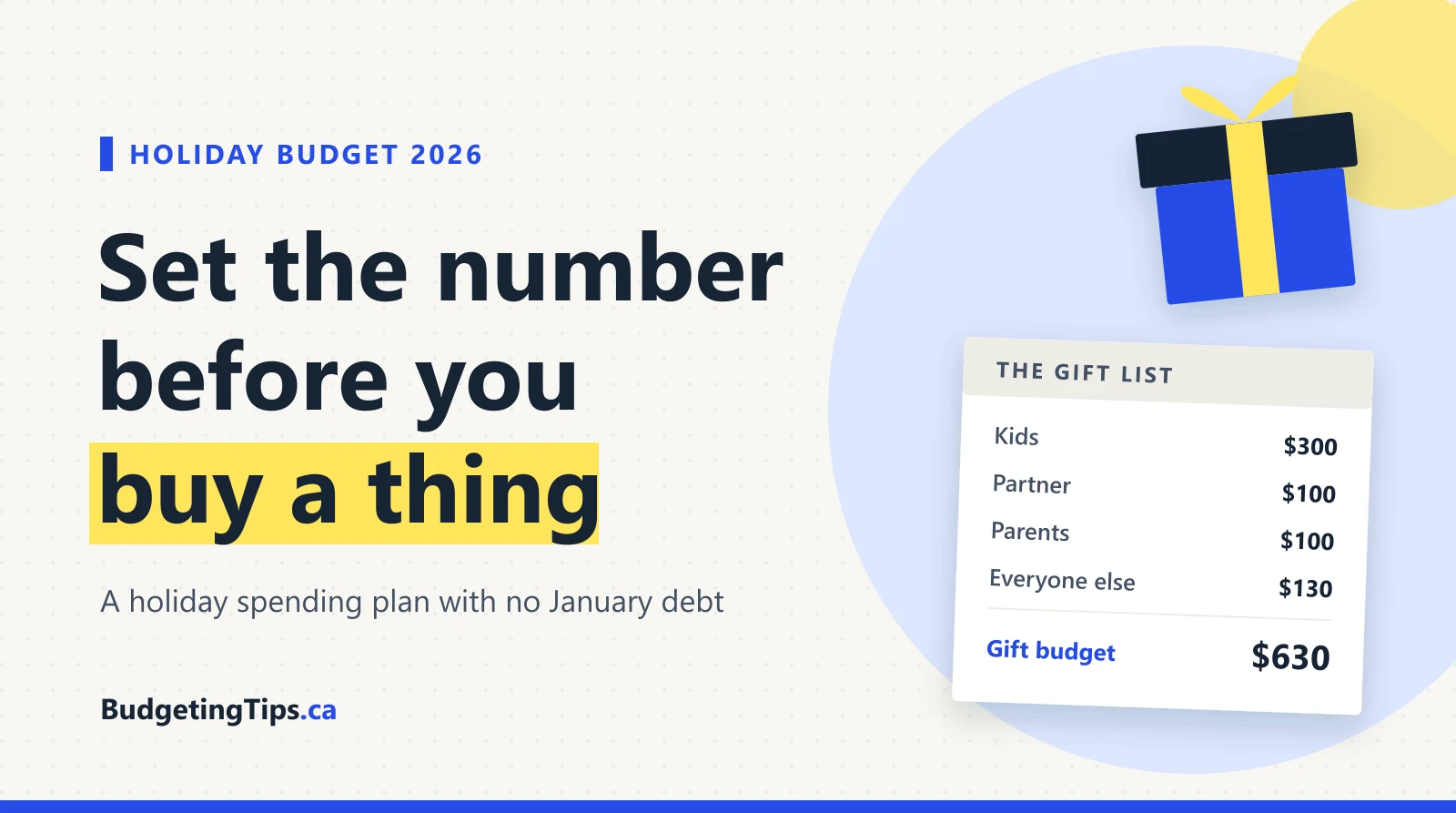 Budgeting
Holiday Budget for Canadians: How to Plan Your Spending and Skip the January Debt (2026)
Set one number before you buy the first gift. Here's how to build a holiday budget from the money you actually have, split it up, shop the sales without overspending, and never scramble in December again.
Read guide Save
How to Save Money on Groceries in Canada: 12 Tips That Work
Unit pricing, flyer planning, store brands, surplus food apps and how often to shop. The grocery habits that cut a Canadian food bill by 20% or more.
Read guide