💡 Key Takeaways
- Always check your Notice of Assessment for your exact contribution limit to avoid the 1% monthly over-contribution penalty.
- Treat your RRSP as a “locked” vault; early withdrawals result in permanent loss of contribution room and immediate withholding taxes.
- High-income earners should use Spousal RRSPs to equalize retirement income and lower the household’s total tax bill.
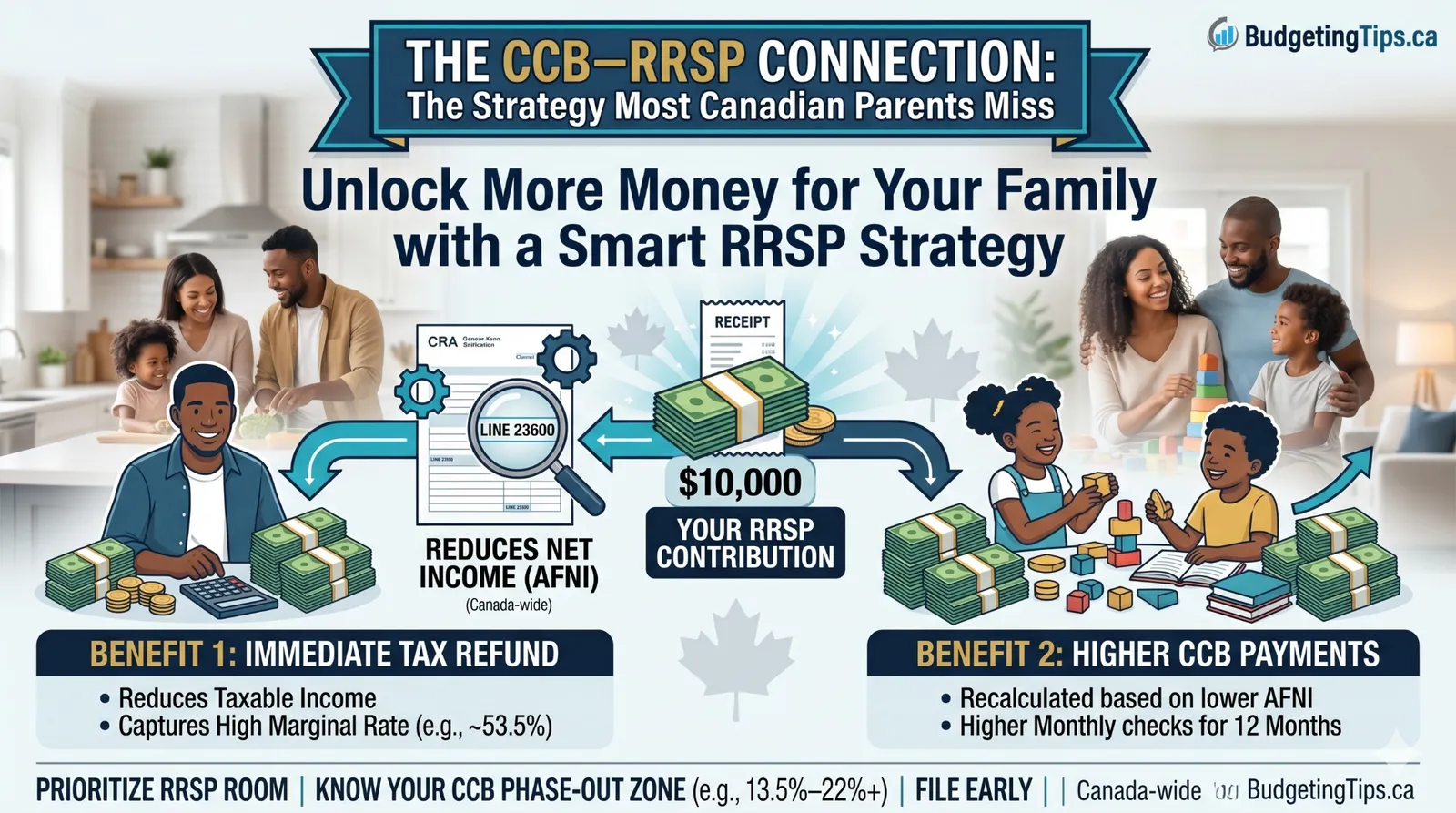
- You can make a contribution today but delay the tax deduction to a future year when you are in a higher tax bracket.
- Name a “qualified survivor” as your beneficiary to ensure a tax-deferred rollover of assets upon death.
The Registered Retirement Savings Plan is one of the most powerful wealth-building tools in the Canadian tax code. A well-managed RRSP can save you tens of thousands of dollars over your working life through deductible contributions and decades of tax-deferred compounding.
But the rules governing RRSPs are strict — and some of the most common mistakes are also the most expensive. Whether you’re just opening your first account or reviewing a strategy you’ve had for years, this guide covers the pitfalls that cost Canadians the most.
1. Over-Contributing Beyond Your Limit
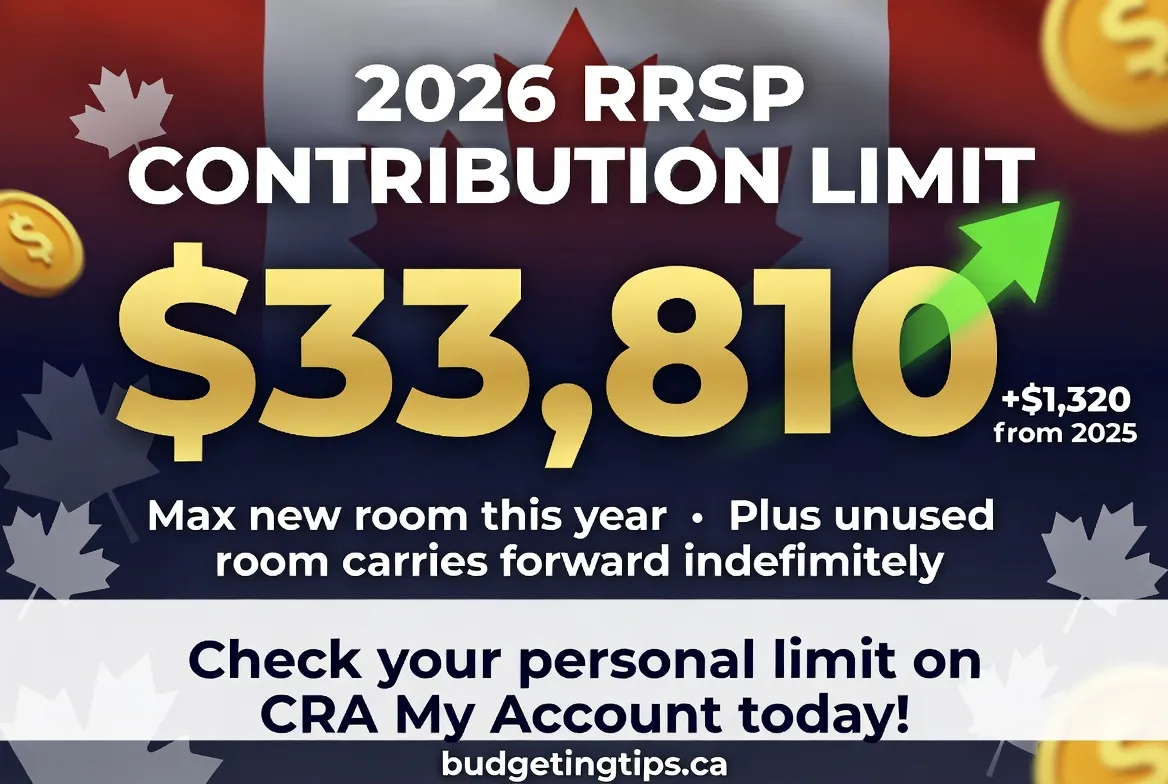
Each year, the CRA calculates your RRSP contribution room based on 18% of your previous year’s earned income, up to an annual dollar ceiling ($32,490 for 2026).
The Mistake
Contributing more than your available room. While the CRA does allow a lifetime $2,000 cumulative buffer, anything beyond that triggers a penalty of 1% per month on the excess amount.
⚠️ Watch Out
A $5,000 over-contribution beyond the buffer costs you $50/month — or $600/year — until corrected. The penalty is non-deductible and accumulates fast.
2. Using Your RRSP as an Emergency Fund
Treating your RRSP like a savings account you can dip into whenever cash gets tight is damaging. The costs are immediate and permanent.
Withdrawal Amount
Withholding Tax (Federal)
Impact
Up to $5,000
10%
Withheld immediately by your bank
$5,001 – $15,000
20%
Withheld immediately by your bank
Over $15,000
30%
Withheld immediately by your bank
Most critically: unlike a TFSA, RRSP contribution room is permanently lost when you withdraw. If you pull money out for a car repair, that room is gone forever.
3. Skipping the Spousal RRSP Strategy
If one spouse earns significantly more than the other, contributing only to the higher earner’s RRSP is a missed opportunity.
How it Works
The higher earner contributes to an account in the lower earner’s name. The contributor gets the tax deduction today, but the funds are taxed at the lower spouse’s rate upon withdrawal in retirement.
💡 Pro Tip
Wait at least three calendar years after a contribution before the spouse withdraws the funds, or the income will be “attributed” back to the contributor and taxed at their higher rate.
4. Contributing in a Low-Income Year
The tax benefit of an RRSP is tied to your marginal tax rate. If you claim a deduction while earning $45,000, it is worth much less than if you claim it while earning $100,000.
The Strategy
You can contribute now to start the tax-free growth but carry forward the deduction to a future year when your income is higher. This is ideal for students or those on parental leave.
5. Not Naming (or Updating) a Beneficiary
Without a named beneficiary, your RRSP goes to your estate. This triggers probate fees and a massive terminal tax hit, where the CRA treats the entire balance as income on your final return.
Naming a “qualified survivor” (like a spouse) allows the funds to roll over into their registered account without immediate taxation.
6. Ignoring Asset Location (U.S. Dividends)
The U.S. charges a 15% withholding tax on dividends. However, under the Canada-U.S. Tax Treaty, this is waived for investments held inside an RRSP.
The Catch: This waiver does not apply to TFSAs. Always hold U.S. dividend stocks in your RRSP to keep 100% of the yield.
7. Missing the Maturity Deadline
Your RRSP must be collapsed or converted by December 31 of the year you turn 71. If you miss this, the CRA treats the entire balance as income in a single year, which can result in a tax bill of over 50% for large accounts.
Most Canadians convert to a Registered Retirement Income Fund (RRIF) to maintain tax-deferred growth while taking mandatory annual minimum payments.
Quick Reference: RRSP Mistake Cheat Sheet
Mistake
Consequence
The Fix
Over-contribution
1% monthly penalty
Check NOA yearly
Early withdrawal
Permanent room loss
Use TFSA for emergencies
No Spousal RRSP
Higher household tax
Equalize income
No Beneficiary
Terminal tax hit
Name qualified survivor
BudgetingTips.ca — Canadian Personal Finance, Simplified
This article is for informational purposes only. Always verify current figures with the CRA or consult a licensed CPA. © 2026 BudgetingTips.ca.